
Professional Teeth Whitening
Restore the natural radiance of your smile with clinically proven treatments designed to deliver safe, lasting brightness while maintaining the health and integrity of your teeth.
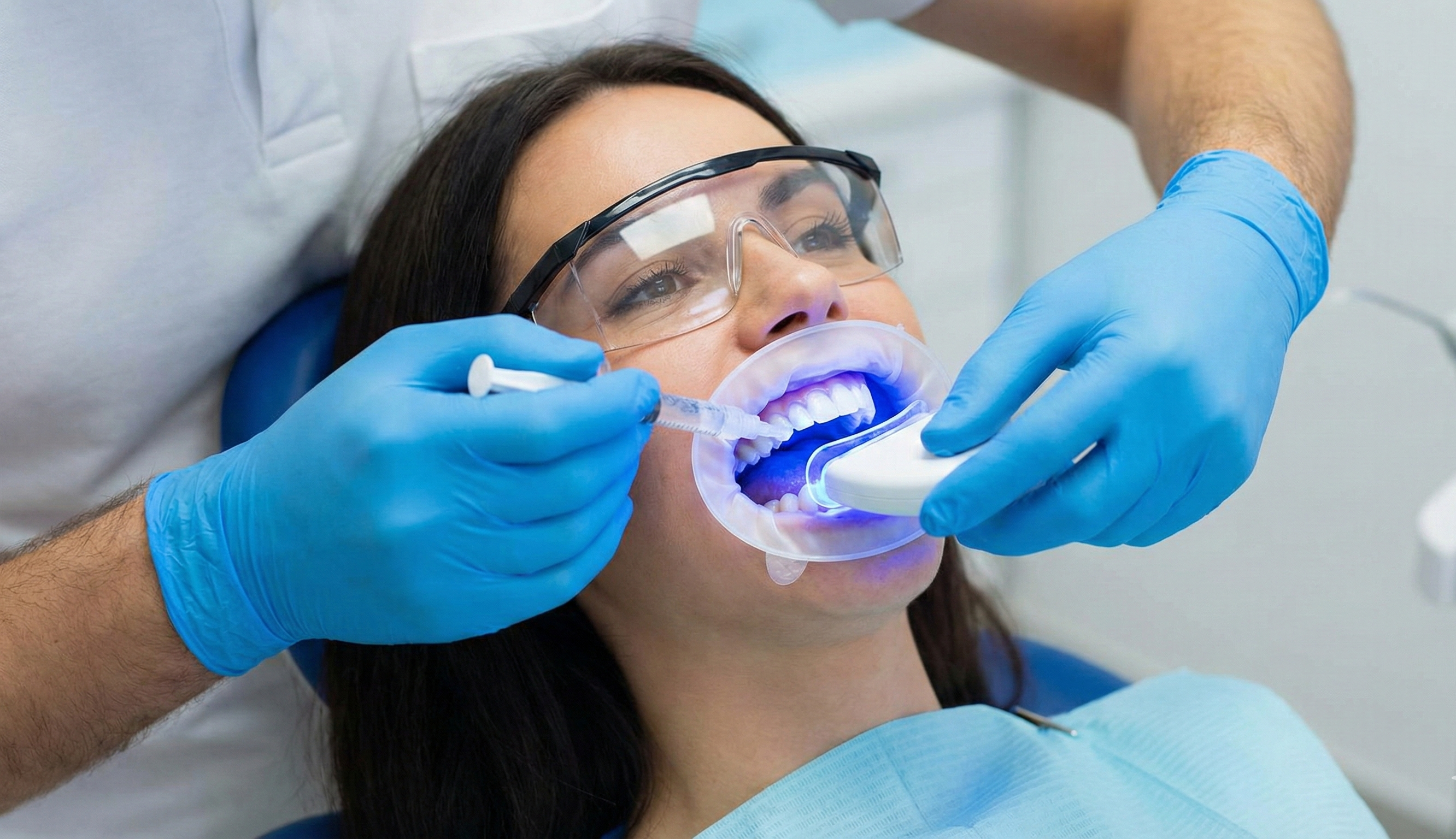
A brighter, whiter smile has the power to transform not only how others perceive you, but also how you feel about yourself. Your smile is often one of the first things people notice, playing a key role in personal confidence, professional interactions, and everyday social moments.
Over time, teeth naturally lose their brightness due to a combination of lifestyle habits and biological changes. Everyday factors such as coffee, tea, red wine, tobacco use, and strongly pigmented foods gradually stain the enamel. Even individuals with excellent oral hygiene can experience discoloration, as enamel becomes more porous with age and allows stains to settle deeper into the tooth structure.
Professional teeth whitening offers a safe, effective solution for restoring the natural radiance of your smile while maintaining the health and integrity of your teeth. With expert supervision and proven methods, it provides a reliable way to achieve lasting brightness while respecting the natural structure of your smile.
What sets professional teeth whitening apart is the level of care, precision, and consistency involved in the process. Treatments are performed by trained dental professionals who understand tooth anatomy, enamel sensitivity, and gum health. Before whitening begins, teeth are carefully assessed to ensure the procedure is suitable and safe.
Professional whitening uses medical-grade products and clinically proven techniques that deliver controlled shade improvement. Unlike store-bought kits, which can produce uneven results or cause unnecessary sensitivity, professional treatments are carefully monitored. The strength of the whitening agents, application time, and protective measures are all adjusted to suit individual needs.
This personalized approach helps achieve even, natural-looking results without compromising comfort or dental well-being. Professional whitening is designed with patient experience in mind, incorporating protective barriers for gums and techniques that reduce sensitivity. Many people who struggle with sensitivity from home whitening products find professional treatments significantly more comfortable and manageable.
Key Advantages: Professional whitening provides comprehensive oral assessment, personalized treatment planning, medical-grade whitening agents, enhanced safety and comfort, predictable and even results, and flexible treatment options tailored to your specific dental needs.
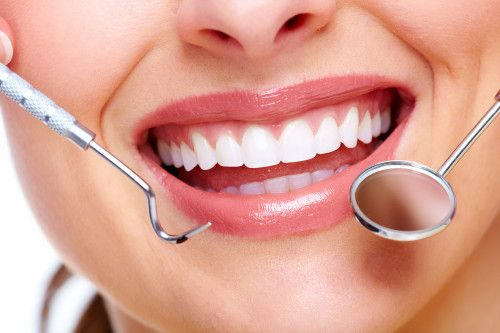
Professional whitening is specifically formulated to safely and effectively improve the natural color of the teeth by removing both surface and embedded stains accrued over time. Food and drink pigments, smoking, aging, and some medications can all lead to discoloration of teeth.
It involves the use of clinically proven whitening agents that degrade pigmented molecules trapped within the enamel and dentin of a tooth. As these molecules are broken down, the darker colors they reflect disappear, and the tooth becomes lighter. Since the procedure is performed by trained dental professionals, the whitening solution is chosen with careful consideration to its concentration, ensuring it is effective while remaining safe for teeth and gums.
One thing professional whitening offers that over-the-counter products do not is control and consistency. Before treatment, the teeth's current shade is assessed, and the type of staining as well as the best whitening system to use are determined. This ensures better, more even results with all visible teeth whitening uniformly, without the potential for uneven color or patchiness that can occur with unsupervised products.
Treatments are conducted in a controlled environment where the dentist monitors teeth sensitivity and protects soft tissues during the procedure. Protective guards keep the gums and lips safe from irritation or discomfort, making the technique safer and far more predictable than non-professional options.
Ideal candidates are those with healthy teeth and gums, realistic aesthetic goals, and an understanding of the likely degree of improvement. Professional whitening works best for individuals who maintain good oral hygiene and are committed to preserving their results through sensible lifestyle choices.
A comprehensive pre-whitening assessment evaluates dental and periodontal health, identifies any decay or failing restorations that could compromise outcomes, and documents current tooth shade. The clinician confirms which stains are amenable to bleaching and which may require alternative restorative interventions for a complete aesthetic result.
Certain conditions may affect suitability for whitening. Untreated dental disease, severe gingival inflammation, or specific types of intrinsic discoloration that will not respond to bleaching may require different treatment approaches. An individualized clinical assessment determines candidacy and the appropriate treatment modality.
Elective whitening is typically deferred during pregnancy and breastfeeding as a precautionary measure. Whitening is also sequenced around other restorative dental care, commonly performed before final restorative shade matching to ensure a stable baseline for lasting aesthetic integration.
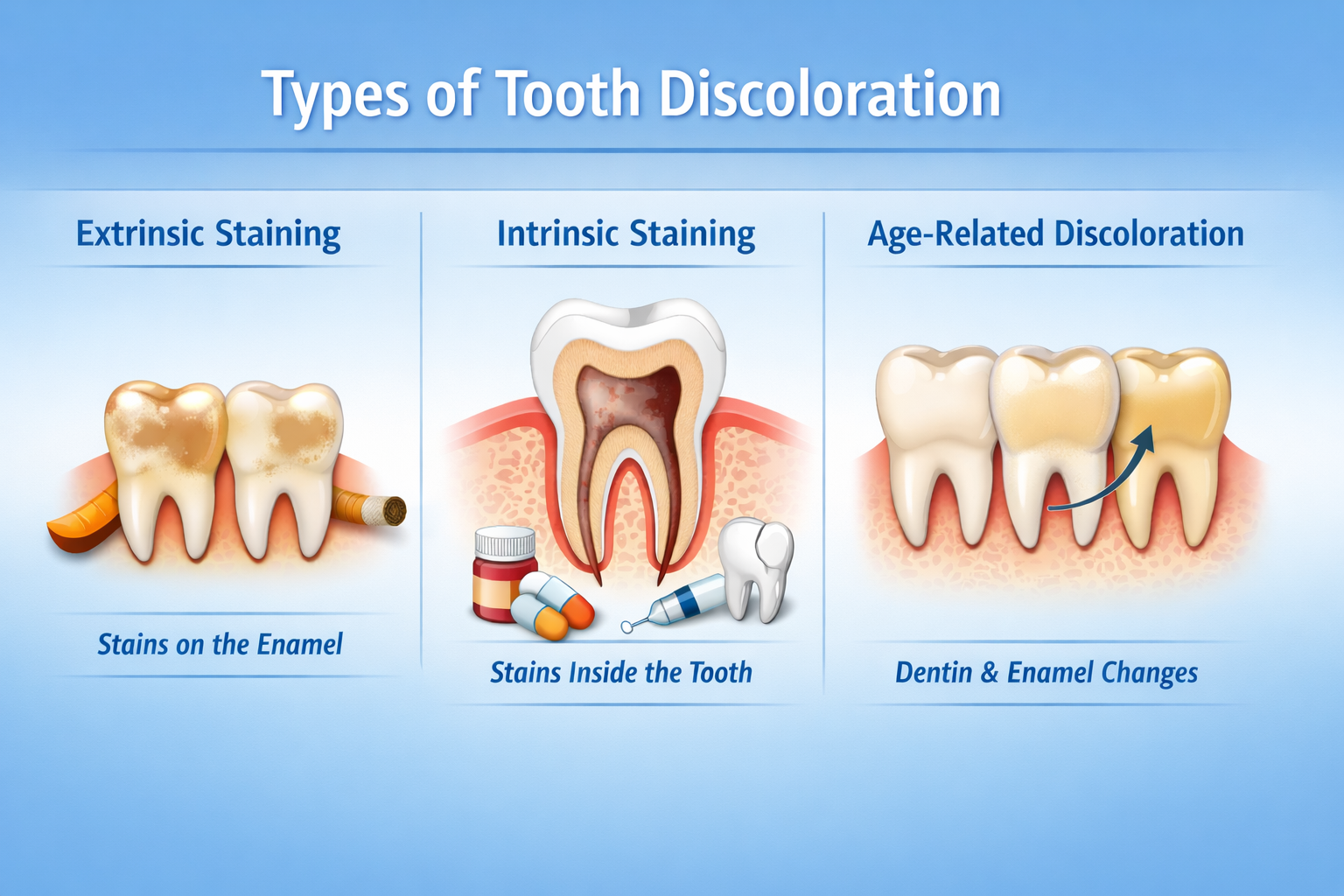
Tooth discoloration is not a one-size-fits-all concern. Different types of stains develop for various reasons, and each responds differently to whitening treatments. A professional dental assessment is essential to identify the type of discoloration correctly and set realistic expectations for whitening results.
Extrinsic stains affect the outer surface of the teeth, known as the enamel. These stains are the most common and are usually caused by lifestyle and dietary habits. Dark-colored foods and beverages such as coffee, tea, red wine, and certain sauces can gradually stain enamel. Tobacco use and inadequate oral hygiene also contribute significantly to surface discoloration.
Because extrinsic stains sit on the enamel, they respond very well to professional whitening treatments. In many cases, noticeable improvement can be achieved in a short period, especially when whitening is combined with proper cleaning and ongoing oral care habits.
Intrinsic discoloration occurs within the internal structure of the tooth, beneath the enamel. This type of staining can result from tooth trauma, exposure to certain medications, excessive fluoride intake during tooth development, or underlying health conditions. Intrinsic stains tend to be more complex and may appear grey, brown, or yellow.
While some intrinsic discoloration can be lightened through professional whitening, results may vary depending on the cause and depth of the stain. When whitening alone is insufficient, alternative cosmetic options such as bonding or veneers may be recommended to achieve a uniform appearance.
Age-related discoloration is a natural process caused by a combination of enamel thinning and gradual darkening of the dentin beneath. Over time, the enamel becomes more translucent, allowing the tooth's darker inner layers to show through. This type of discoloration generally responds well to professional bleaching treatments.
Because the changes are cumulative, a customized whitening plan and occasional maintenance treatments are often advised to preserve long-term brightness. By accurately identifying the type of discoloration, a tailored whitening strategy can be developed, leading to safer procedures, more predictable outcomes, and longer-lasting results.
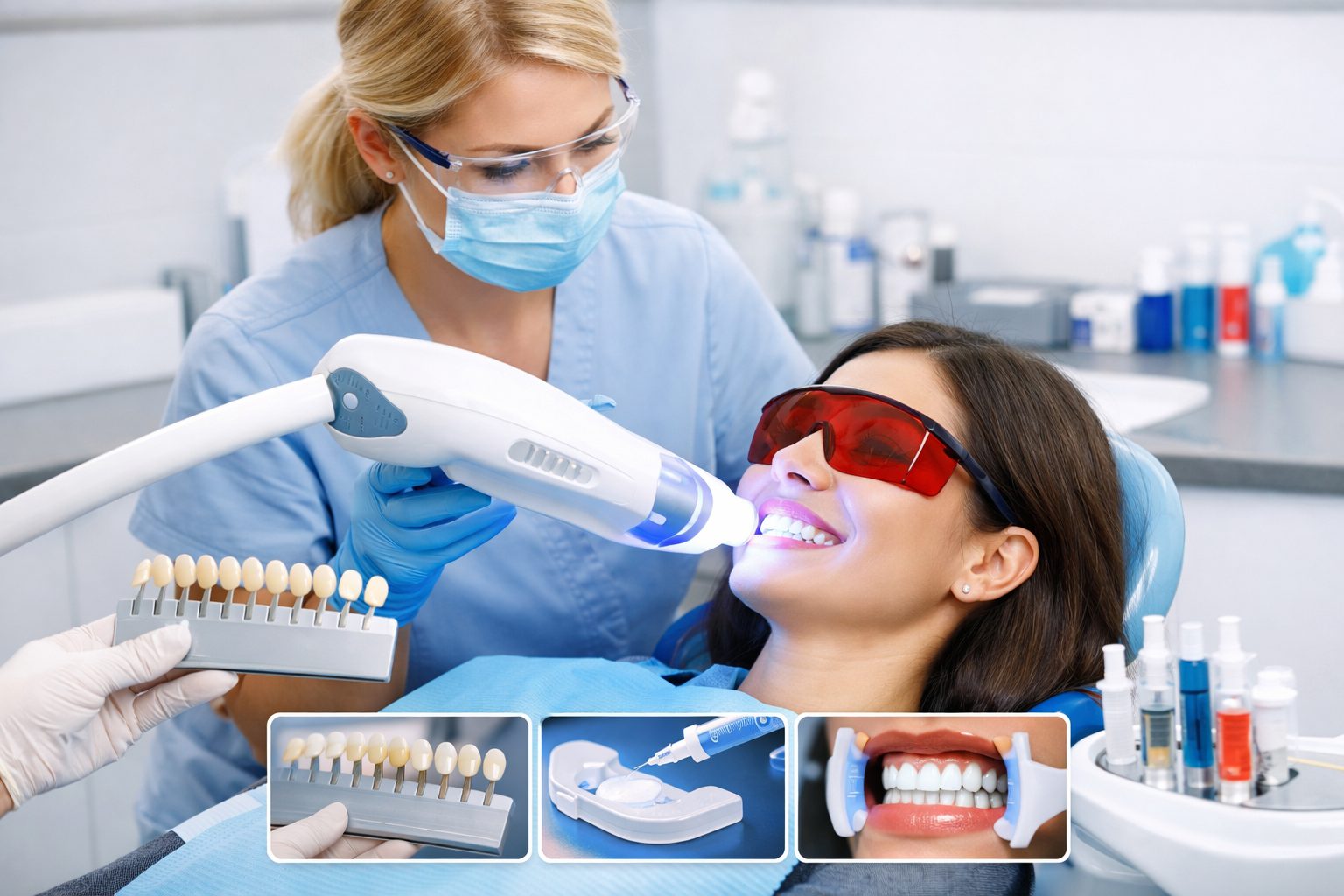
Professional dental clinics typically offer a range of clinically validated whitening options. Each has specific strengths and is selected according to the patient's dental condition, sensitivity profile, and desired timeline.
In-office whitening delivers rapid, noticeable results in a single visit. A clinician isolates soft tissues, applies a whitening gel with a higher concentration of active peroxide, and may use light or laser adjuncts depending on the protocol. These sessions are tightly controlled, allowing immediate monitoring and modification to manage sensitivity and maximize safety.
Most patients achieve their target shade in a single in-office appointment. The most dramatic color change is often visible immediately after the session, though a transient slight regression can occur during the first 24 to 48 hours as tooth moisture equilibrates.
Custom take-home systems combine professional supervision with patient convenience. The clinician fabricates custom-fitted trays from impressions or digital scans and provides professional-grade gel in graduated concentrations. This approach allows gradual whitening at home under clinician guidance, reducing the incidence or severity of sensitivity for those who prefer a gentler pace.
Gradual take-home systems require several days to weeks for full effect, depending on the concentration and wear schedule. This method is ideal for patients seeking a more controlled progression with minimal discomfort.
For many patients, the optimal path blends an initial in-office treatment with a period of take-home maintenance. The in-office phase produces rapid improvement, while the take-home phase consolidates results and helps achieve a precisely tuned shade over a few weeks.
Some modern approaches favor incremental protocols for highly sensitive patients or those seeking subtle change. These use lower concentrations and shorter daily wear times, producing an even, natural progression with minimal discomfort.
Professional whitening is predictable and generally well tolerated. The process typically includes shade documentation before treatment using standardized guides or digital technology to record baseline color, isolation of gums and soft tissues to protect them from whitening agents, application of whitening gel followed by timed exposure, periodic assessments of sensitivity and shade progression, and final shade recording with documentation of recommended maintenance strategies.
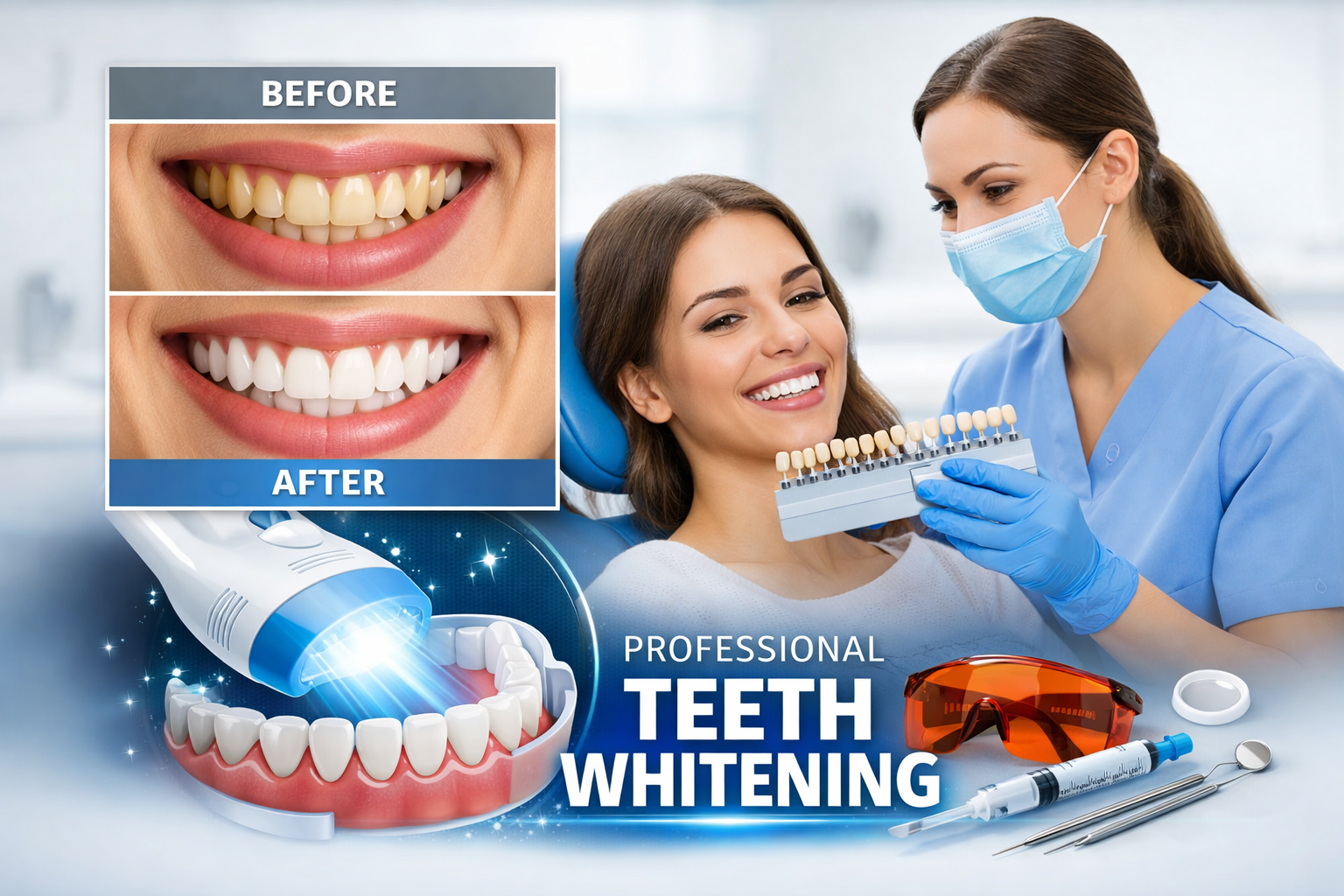
Professional whitening can produce dramatic changes for many patients, but expectations must be grounded in each patient's dental condition. The most dramatic improvements occur with extrinsic staining, while intrinsic or medication-related discoloration may respond less predictably and sometimes requires restorative approaches for complete correction.
The result of whitening treatment varies based on original tooth shade, type of discoloration, and selected method. For some, it brings out a natural, subtle brightness; for others, more dramatic, whiter results. In every instance, the goal is to ensure teeth look beautiful while remaining as natural as possible.
When administered by experienced clinicians and matched to facial features and skin tone, whitening achieves a natural, harmonious brightness without an artificial appearance. The result is a noticeably brighter smile that still looks natural—never artificial or over-bleached. Teeth appear cleaner, healthier, and more youthful, enhancing overall facial appearance.
Longevity of Results: How long whitening lasts depends on intrinsic factors such as tooth composition and age, as well as lifestyle behaviors like consumption of staining foods and beverages or smoking. Many patients enjoy noticeable improvement for months to years. Maintenance strategies, including periodic touch-ups with professional-strength gel or occasional in-office refreshers, prolong the effect and preserve shade uniformity.
Professional treatments use agents regulated for dental use and are applied under a clinician's supervision. Safety protocols include appropriate isolation of soft tissues, careful selection of gel concentration, and clinical adjustments for sensitive patients. Professional providers adhere to local regulatory standards and evidence-based practices to protect oral and overall health while delivering aesthetic outcomes.
Professional whitening is supported by a body of clinical research demonstrating measurable shade improvement, predictable outcomes, and acceptable safety profiles when administered by qualified professionals. Advances in gel chemistry, delivery systems, and personalized protocols continue to refine effectiveness while managing sensitivity.
Controlled use of whitening agents under professional guidance does not compromise enamel integrity when contraindications are respected and treatments are applied properly. Clinical studies support the safety of professionally supervised bleaching when used according to established protocols. Properly applied peroxide-based whitening works by oxidizing stain molecules within the tooth structure without removing enamel.
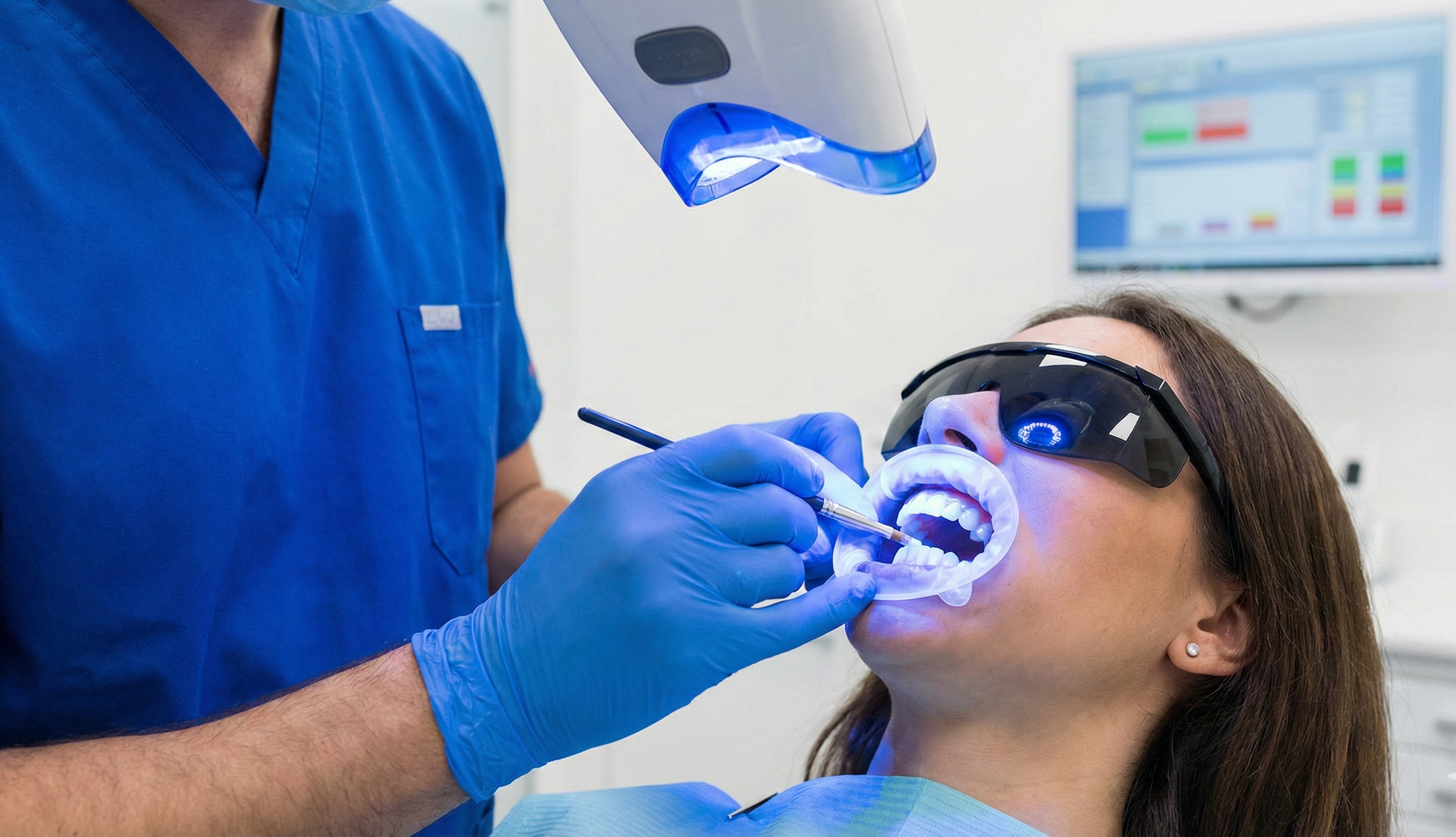
Beyond aesthetics, a whiter smile often inspires better oral care habits, encouraging individuals to maintain their results through improved hygiene and mindful lifestyle choices. Post-treatment, teeth may accept stains more quickly for a short window while enamel adapts. Maintenance practices that routinely accompany professional whitening aim to extend the effect.
Post-whitening tooth color is supported by consistent oral hygiene, periodic professional cleanings, and thoughtful use of professionally formulated maintenance products. Habitual staining exposures may be managed through moderation and targeted top-up treatments as clinically appropriate.
Mild, temporary sensitivity is the most common side effect. Sensitivity typically peaks within 24 to 48 hours after whitening and resolves spontaneously or with symptomatic management. Modern formulations and professionally supervised protocols minimize sensitivity risk, and custom trays or shorter in-office exposure times are available for patients with a known sensitivity history.
Sensitivity is linked to transient changes in tooth fluid dynamics and nerve response to peroxide exposure. Modern techniques and tailored protocols reduce the likelihood and severity of sensitivity while maintaining efficacy. Desensitizing agents, altered wear schedules, and lower concentrations can reduce discomfort for sensitive patients without sacrificing results.
How quickly will whitening be noticeable?
In-office treatments produce rapid changes often evident immediately after a single appointment. Gradual take-home systems require several days to weeks for full effect, depending on the concentration and wear schedule. The most dramatic color change is often visible immediately after an in-office session, though a transient slight regression can occur during the first 24 to 48 hours as tooth moisture equilibrates.
Are the results natural-looking?
When administered by experienced clinicians and matched to facial features and skin tone, whitening can achieve a natural, harmonious brightness without an artificial appearance. The result is a noticeably brighter smile that still looks natural—never over-bleached. Teeth appear cleaner, healthier, and more youthful, enhancing overall facial appearance.
What causes tooth sensitivity after whitening?
Sensitivity is linked to transient changes in tooth fluid dynamics and nerve response to peroxide exposure. Modern techniques and tailored protocols reduce the likelihood and severity of sensitivity while maintaining efficacy. Mild, temporary sensitivity is the most common side effect and typically resolves within 24 to 48 hours.
Will whitening damage enamel?
Controlled use of whitening agents under professional guidance does not compromise enamel integrity when contraindications are respected and treatments are applied properly. Clinical studies support the safety of professionally supervised bleaching when used according to established protocols. Properly applied peroxide-based whitening works by oxidizing stain molecules within the tooth structure without removing enamel.
Can existing fillings or crowns be whitened?
Restorative materials do not respond to peroxide-based whitening. For a uniform result, restorations are often replaced or revised after whitening once the final shade is established. While bleaching addresses color, it does not change tooth shape, alignment, or restorative materials such as composite bonding or porcelain.
A longtime coffee drinker noticed progressive darkening of her front teeth and sought a predictable solution. After a thorough examination, she received a single in-office whitening session followed by a two-week custom tray program. The combination produced a three-shade improvement with minimal sensitivity and renewed confidence in social and professional settings.
A professional with a history of smoking chose a staged approach. Initial in-office whitening created a strong baseline improvement, followed by periodic at-home touch-ups to maintain shade during ongoing lifestyle exposures. The patient reported high satisfaction with the natural appearance and modest maintenance requirements.
A patient with age-related discoloration opted for conservative whitening complemented by minor composite bonding on two teeth to correct localized color variation and shape. The combined approach achieved a balanced, youthful smile while preserving tooth structure.
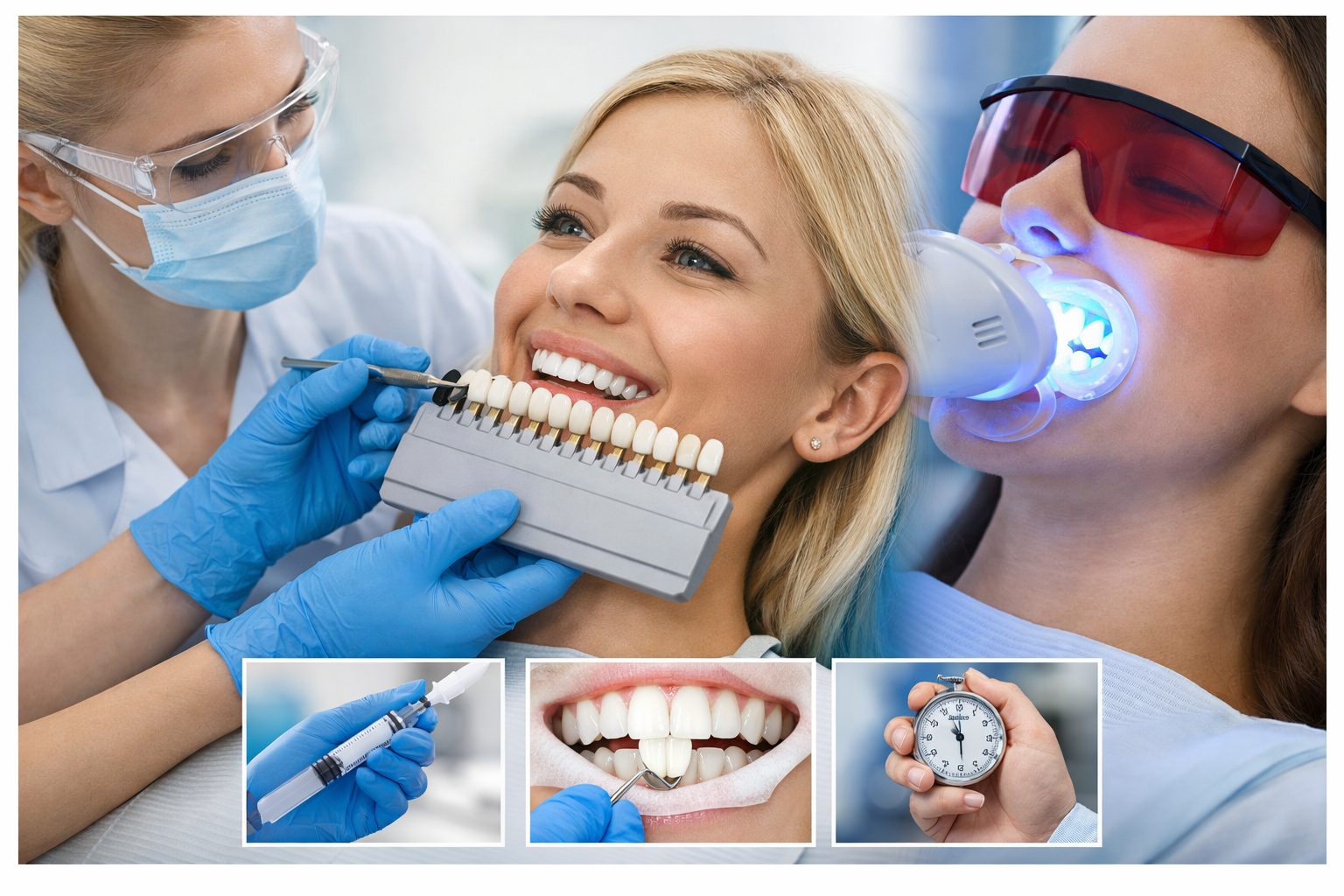
Modern whitening environments prioritize patient comfort, privacy, and a calm, clinical setting. Short, clearly explained visits reduce anxiety and ensure predictable care. For patients choosing take-home systems, tray comfort and ease of use are primary design considerations to promote adherence and consistent results.
A thoughtful shade selection process balances a patient's desire for brightness with a natural outcome that complements facial tone and age. Clinicians use standardized shade guides, digital photography, and patient consultation to arrive at a bespoke target shade that respects facial aesthetics and smile harmony.
Clinicians committed to best practice present honest assessments about likely outcomes and alternative options. Ethical care balances patient desire for cosmetic improvement with a candid discussion of limitations, risks, and maintenance needs to foster long-term satisfaction.
A successful smile enhancement considers more than color. Proportional balance, tooth contour, gum architecture, and overall facial symmetry contribute to a harmonious, attractive smile. Whitening is frequently combined with conservative reshaping, minor bonding procedures, or targeted restorative work to achieve a cohesive result.
Whitening often serves as the first step in a comprehensive smile enhancement plan. Once tooth color is optimized, clinicians and patients assess whether further aesthetic refinements are desirable, such as alignment correction, microcontouring, or minimally invasive bonding to refine shape and texture.
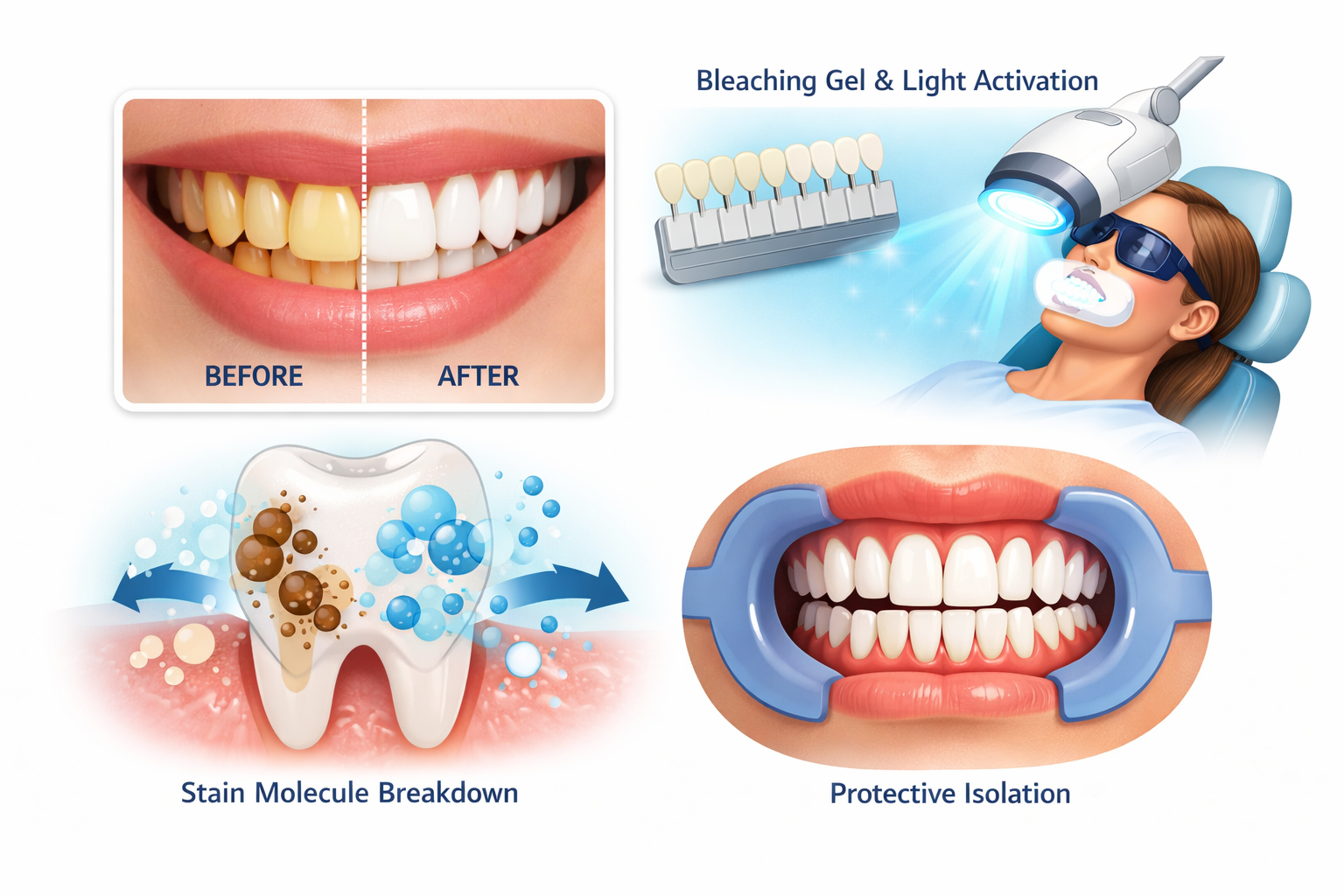
Choosing a provider is a matter of professional standards, clinical experience, and demonstrated aesthetic sensibility. Important considerations include provider qualifications, transparent clinical protocols, photographic documentation of before-and-after cases, and adherence to safety practices. A reputable provider tailors treatment to individual oral health needs rather than applying a one-size-fits-all approach.
Professional whitening programs incorporate contemporary materials—stabilized peroxide gels, desensitizing agents, and precision-fitted trays—that improve comfort and performance. Digital shade-matching and photographic records enhance predictability and make case communication clear and consistent.
Cosmetic whitening is frequently an elective service and may not be covered by standard dental insurance. Many clinics discuss options for staged treatment or combined clinical and restorative approaches to align desired outcomes with practical considerations.
Professional teeth whitening is not just about changing tooth color; it is about restoring confidence, enhancing self-image, and supporting long-term oral health. With expert supervision and proven methods, it provides a reliable, safe way to achieve lasting brightness while respecting the natural structure of your smile.
Professional teeth whitening is a safe, effective, and often transformative aesthetic service when delivered by experienced clinicians. It combines the science of peroxide chemistry with precision application, careful patient selection, and sensible aftercare to produce bright, natural-looking smiles that align with a patient's individual features and lifestyle.
For those seeking a cosmetic enhancement that preserves oral health and offers measurable shade improvement, professional whitening remains a cornerstone of contemporary aesthetic dentistry. The result is a noticeably brighter smile that enhances confidence, encourages better oral care habits, and supports a positive self-image for years to come.